


Buying leads first is backwards.
A busy remodeler does not need more random names in an inbox. You need to show up in the places homeowners already check, look trustworthy in five seconds, and make it stupid simple to call or message you. Do that well and you stop renting attention from lead sellers.
Start with the free assets you control. Claim your listings. Use the same business name, phone, service area, and short company description everywhere. Add real jobsite photos, not stock junk. Ask every happy customer for a review on the platform that matters most to you. If you want the clearest place to begin, follow this guide to Google Business Profile for contractors and get that dialed in first.
Paid lead platforms all price differently, and that is exactly why free visibility comes first. If your free profiles are weak, paid leads get more expensive because homeowners check you out before they reply. If your free profiles are strong, some paid leads become optional.
You build kitchens, baths, additions, and whole-home remodels. You do not need a marketing degree to get contractors leads free. Keep it first-grader simple. Do this, then do that. Set up the big profiles. Fill out every field. Post photos. Get reviews. Answer messages fast. Then use these practical free advertising methods and the seven platforms below to turn your online presence into a steady lead machine.
Table of Contents
- 1. Google Business Profile Google Search and Maps
- 2. Bing Places for Business Bing and Microsoft Ecosystem
- 3. Apple Business Connect Apple Maps Siri and Messages
- 4. Yelp for Business Free Business Page
- 5. Houzz Free Pro Profile in Find Professionals
- 6. Nextdoor Business Page Neighborhood Recommendations
- 7. Alignable Referral-First Small-Business Network
- 7 Free Contractor Lead Platforms Comparison
- When Free Isn't Enough Knowing When to Upgrade Your Toolkit
1. Google Business Profile Google Search and Maps
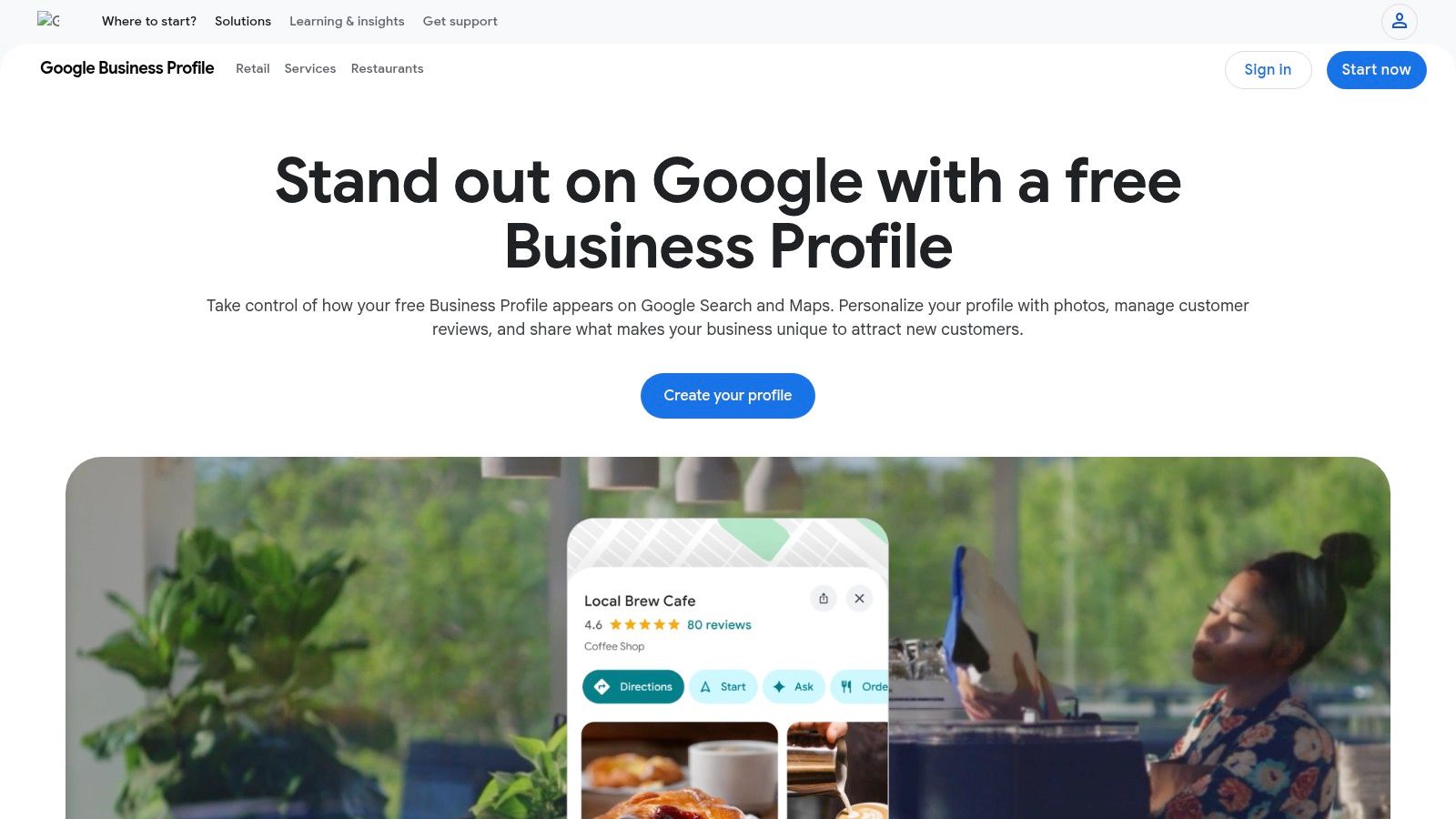
A lot of contractors chase shiny lead apps first. That is backwards. Start with Google Business Profile.
It is the simplest free lead source on this list because homeowners already use Google and Maps when they need a remodeler nearby. If your profile is thin, outdated, or missing, you lose calls before you even know they existed.
Set this up first
Keep this dead simple.
Go claim your listing at Google Business Profile. Fill in every basic field. Name, phone, service area, hours, services, categories, description, and photos. Use plain English. Skip the sales talk.
Then follow this 3-step weekly routine:
- Upload real project photos: Add kitchens, baths, additions, exteriors. Show clean before, during, and after shots.
- Reply to every review: Thank happy clients. Answer unhappy ones calmly and like the owner.
- Tighten your service list: Replace vague labels like “contractor” with the actual work you want more of.
Here is the first-grader-simple version. A homeowner should land on your profile and know three things fast: what you do, where you work, and whether other people trust you.
Practical rule: If someone cannot figure out what you build in five seconds, your profile is not done.
Google gives you reviews, photos, Q&A, messaging, and map visibility in one free profile. For this reason, it is the foundation for contractors leads free. If you want the step-by-step version, read this guide on mastering Google Business Profile for contractors.
One last point. Good leads are usually pre-sold before they call. Clear photos, accurate categories, and strong reviews help homeowners qualify themselves, so you spend less time sorting through bad-fit inquiries.
2. Bing Places for Business Bing and Microsoft Ecosystem
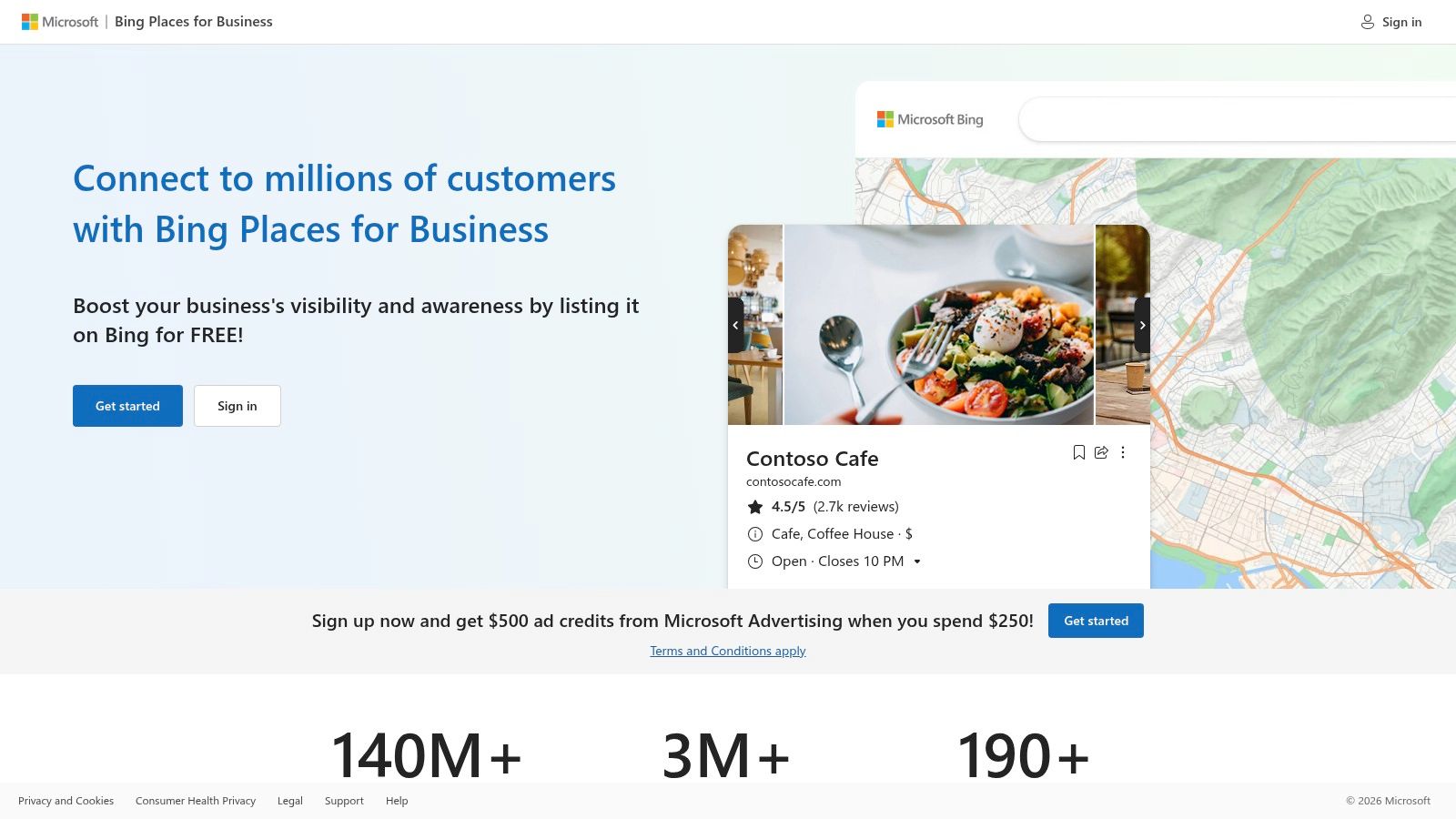
Bing is boring. Set it up anyway.
This is one of those jobs that pays you for being disciplined, not clever. If your Google profile is already in good shape, Bing Places for Business is usually a fast copy-and-check task, not a full rebuild. Claim it at Bing Places for Business and import your existing business details.
Do it in this order:
- Import your Google info. Start with the shortcut.
- Check your name, phone, and address. Make them match your other listings exactly.
- Choose the right categories. Be specific about the work you want more of.
- Add a handful of real project photos. Finished work first.
- Confirm your hours and service area. Wrong details waste leads.
That is the whole play. Ten to fifteen focused minutes beats another month of saying you will get to it later.
Bing's value is in broad, low-effort coverage. It gives you another place to show up when a homeowner searches through Microsoft tools, Bing search, or devices that pull from that ecosystem. A busy remodeler does not need every lead source to be huge. You need more solid places where the right prospect can find clean, accurate information and call.
Practical rule: If your business info is inconsistent across platforms, fix that before you spend a dollar on ads.
I would also skip weak industry stats here. You do not need a vague AI forecast to justify this step. The common-sense reason is enough. Search tools and assistant tools work better with consistent business data, and messy listings create confusion. Clean up the basics once, then keep them matched everywhere.
That is why Bing belongs on the list. Simple setup. Ongoing visibility. Very little downside.
3. Apple Business Connect Apple Maps Siri and Messages
A lot of homeowners live on their phones. If they use iPhones, they often use Apple Maps without thinking twice about it. That means your business info needs to show up there too.
Apple gives you a free dashboard called Apple Business Connect. It lets you control your place card across Apple Maps and other Apple surfaces, including Siri. If your hours, photos, or contact details are wrong, fix them there.
What to put on your place card
Keep this simple. You're not writing a novel. You're helping someone decide if they should call you.
Use:
- Your core service language: Kitchen remodeler, bathroom remodeler, home additions.
- Clear photos: Finished work first. Jobsite chaos second.
- Accurate contact info: One bad phone number wrecks the whole point.
This is one of those boring setup jobs that pays off steadily. A homeowner asks Siri for a remodeler. They tap a result. They call. That's the whole game.
There's also a bigger behavior change happening behind the scenes. A projected 2026 trend report says 38% of commercial contractors are using AI, up from 17% in 2025, and some are applying it to estimating and bid management, according to Roofing Contractor's report on contractor AI adoption. You don't need to become an AI nerd. Just understand the lesson. Clean digital systems beat messy ones.
Apple Business Connect is one of those clean systems. Set it once. Check it often. Keep it accurate.
4. Yelp for Business Free Business Page
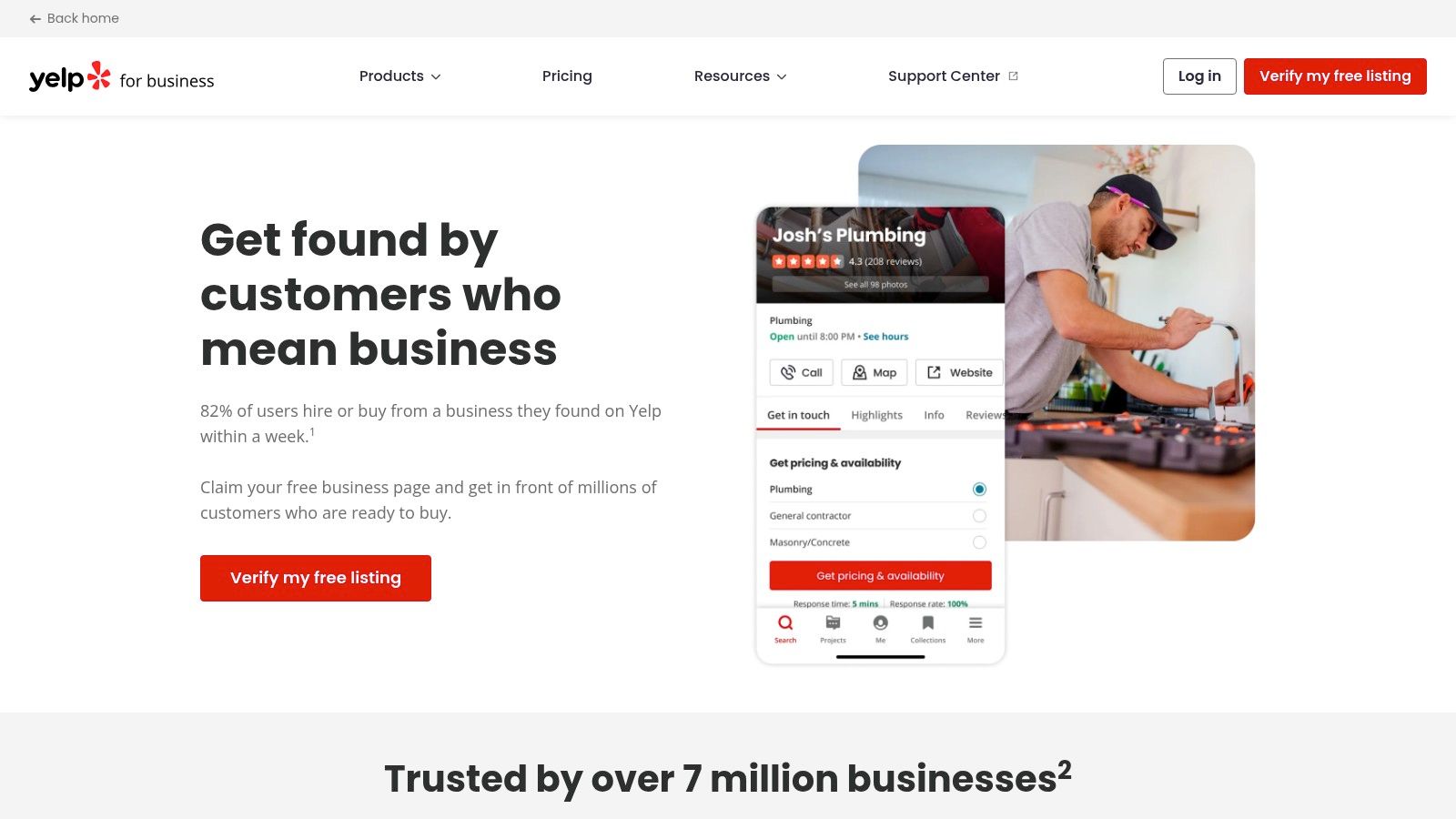
A lot of contractors waste time chasing new lead sources while ignoring Yelp. That's backward. Yelp is one of the first places a skeptical homeowner checks after they hear your name or find you somewhere else.
Set up your free profile at Yelp for Business. Then do the simple work that matters. Pick the right categories. Write a short service description in plain English. Upload strong finished-job photos. Ask happy clients to review you on Yelp if they already use the platform.
Set it up so the right people call
Yelp is not your whole lead system. It is your trust filter.
Here's the first-grader simple version. A homeowner lands on your page and decides fast. If your profile looks scattered, you attract scattered jobs. If your profile looks like a kitchen and bath remodeler, you get more kitchen and bath conversations.
Do this:
- Lead with your best-fit work: Put your money projects first. Kitchens, baths, additions, or whatever you want more of.
- Keep your services tight: Don't stuff in every odd job you've ever taken. That attracts price shoppers and small, messy work.
- Use real photos: Clean before-and-after shots beat logos, trucks, and jobsite clutter.
- Reply like an adult: Thank people for good reviews. Answer bad ones calmly and briefly.
That last point matters more than contractors admit. Homeowners read your replies to see what you'll be like during a stressful project. Defensive replies cost you jobs.
A strong Yelp page also saves time by screening out bad-fit leads before they call. If your niche, price level, and project type are obvious, you get fewer random tire-kickers. That's the point.
Reviews matter here for the same reason they matter on Google. They build trust before the phone rings. If you want the bigger SEO picture, read this guide on how Google reviews help SEO. The platform is different, but the buyer behavior is the same.
Don't overwork Yelp. Set it up right. Check it once in a while. Keep the photos fresh. Then get back to running jobs.
5. Houzz Free Pro Profile in Find Professionals
Houzz is not a general contractor directory you set up and forget. It is a photo-driven showroom. If your work sells well in pictures, this profile can bring better remodeling leads than a dozen weak directory listings.
Create a free pro profile at Houzz Find Professionals. Then do the simple version. Pick the project types you want more of. Upload your best finished photos first. Write project names a homeowner would search, like “Primary Bathroom Remodel in [City]” or “Whole Home Renovation in [Neighborhood].”
Best fit for remodelers with strong photos
Houzz works best for kitchens, bathrooms, additions, outdoor living, and other design-heavy jobs. Homeowners use it to collect ideas before they call anyone. That matters. If your profile matches the style they already saved, you start the conversation with trust.
Here is the 80/20 setup:
- Lead with completed work: Skip truck photos, team headshots, and messy in-progress shots.
- Group photos by project: Keep the kitchen with the kitchen, the bath with the bath. Make it easy to browse.
- Use plain project titles: Say what it is and where it is.
- Ask for a few solid reviews: Short, specific reviews from real clients beat a pile of vague praise.
The mistake contractors make on Houzz is dumping in every photo they have. Don't do that. A smaller gallery of sharp, well-lit projects will beat a bloated profile full of random work.
Houzz also helps you pre-qualify people. Someone reaching out through a gallery of upscale kitchen remodels is usually further along than someone clicking around a generic listing site. That saves time, and time is expensive.
Put your best projects in front of homeowners who are already shopping for ideas. That is why Houzz earns a spot in a free lead plan.
6. Nextdoor Business Page Neighborhood Recommendations
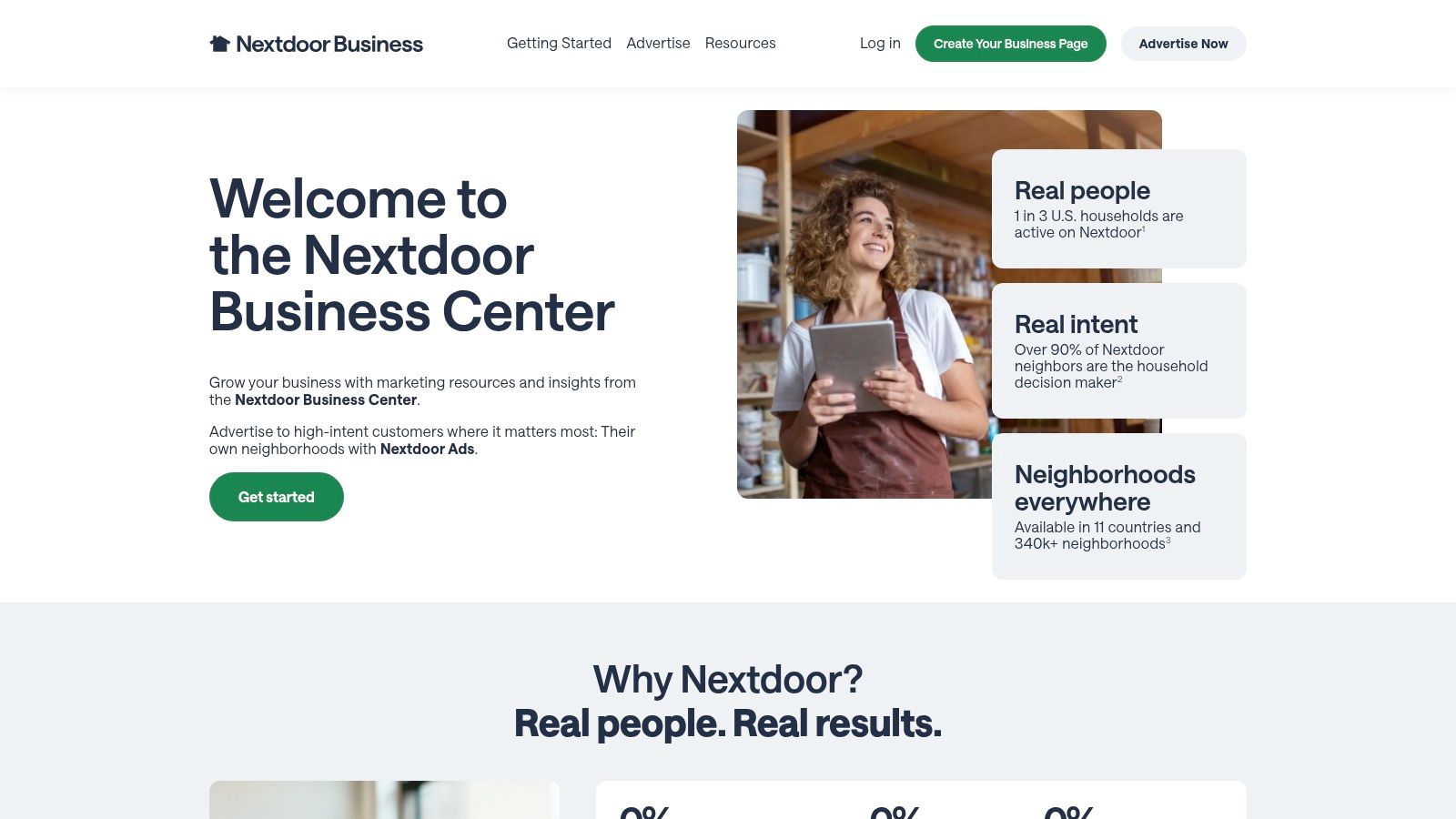
A lot of contractors treat Nextdoor like another social profile. That misses the point.
Nextdoor is a neighborhood referral board. People go there when they want a name they can trust, close to home, from someone nearby. If you remodel kitchens, baths, basements, or additions inside a tight service area, that matters. You are not trying to entertain people. You are trying to get recommended.
Set up your free page at Nextdoor for Business. Then keep the profile plain and local. Use your real service area. Add finished project photos from neighborhoods you work in. Write a short description that says what you do, where you do it, and what kinds of jobs you want more of.
Here is the simple 80/20 play:
- Ask for recommendations right after a happy finish: Send the request while the client is still excited about the result.
- Post proof, not promos: One clean before-and-after, one short caption, one local detail.
- Reply like a neighbor: Be helpful, brief, and specific when someone asks for a contractor.
- Stay inside your lane: Talk about the projects you want. Skip random posts that attract the wrong jobs.
This works because homeowners on Nextdoor often start with one question. “Who have you used?” Your job is to give past clients an easy way to answer with your name.
The big mistake is sounding like an ad. Don't post generic sales copy. Don't dump in ten photos with no context. Don't chase every conversation. Show real work. Name the town or neighborhood. Answer clearly. That is enough.
If you want first-grader simple instructions, use this routine. Build the page. Add five strong project photos. Ask three recent clients for recommendations. Check local posts twice a week. Respond fast when your project type comes up. That small habit can turn Nextdoor into a steady trickle of warm, local leads.
7. Alignable Referral-First Small-Business Network
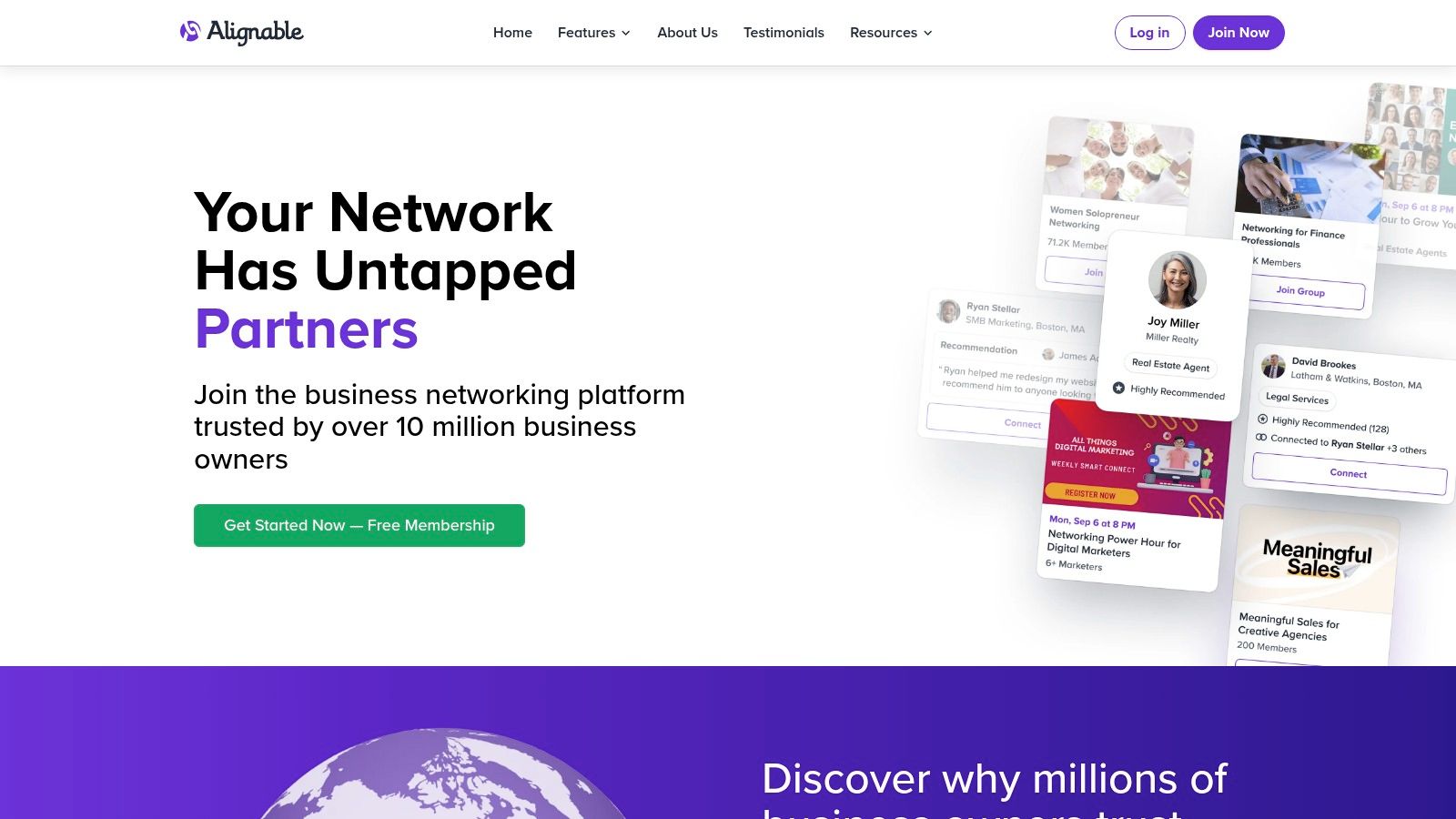
Contractors avoid Alignable because they hear “networking” and picture wasted breakfasts and weak handshakes. That is the wrong way to use it. Alignable works when you use it to build a small referral bench of local businesses that already meet your ideal homeowner.
Set up your free account at Alignable. Then stop trying to connect with everyone. Pick five business types that feed the jobs you want. Realtors, interior designers, plumbers, electricians, flooring stores, cabinet shops, and mortgage pros are the obvious starting points.
The goal is simple. Get introduced by someone the homeowner already trusts.
That is why these leads are worth more than shared marketplace leads. A referral from a designer or plumber usually comes with context, trust, and a better-fit project. You are not one name in a pile. You are the recommended call.
Projul makes a smart point in its discussion of partnership-driven construction leads. Contractors chasing larger remodeling jobs should treat partnerships like a repeatable system, not casual schmoozing. I agree.
Use this first-grader simple process:
- Choose 10 local partners. Start with the businesses closest to your ideal project size and client type.
- Send a short message. Say what you build, where you work, and the kind of referral you want.
- Offer one clear return. Promise something useful, like fast estimates, clean handoffs, or referrals back when you can.
- Track every intro. Keep a basic spreadsheet with partner name, date, lead, and result.
- Follow up once a month. Share one recent project photo or one quick win. Keep it brief.
A message like this is enough: “Hey Sarah, I remodel kitchens and baths in Westfield and Cranford. If you ever need a contractor who communicates well and keeps the jobsite clean, I'd love to help. Happy to send flooring and cabinet referrals your way too.”
Keep it plain. Keep it local. Keep it useful.
The mistake here is treating Alignable like social media. Do not chase likes. Do not join random conversations that have nothing to do with your work. Do not collect 200 weak connections. Build 10 real ones and turn them into steady referral partners.
If you only have 20 minutes this week, do this. Create the profile. Add a clear headshot or logo. Write one sentence about your service area and project type. Then send five direct messages to businesses that already serve your ideal client. That is the 20% that gets the 80% result on Alignable.
7 Free Contractor Lead Platforms Comparison
| Platform | Implementation complexity | Resource requirements | Expected outcomes | Ideal use cases | Key advantages |
|---|---|---|---|---|---|
| Google Business Profile (Search + Maps) | Low–Medium (verification & category setup) | Low to medium ongoing (reviews, photos, posts) | High local inbound leads; Map Pack visibility | Local contractors seeking immediate discovery from homeowners | Free; high‑intent traffic; strong review/trust signals |
| Bing Places for Business (Bing + Microsoft) | Low (easy import from Google) | Low (one‑time setup; occasional updates) | Incremental local leads; lower volume than Google | Expand visibility beyond Google with minimal effort | Simple setup; often less competition |
| Apple Business Connect (Apple Maps, Siri) | Low–Medium (eligibility/verification friction for some) | Low (manage place card, photos, hours) | Moderate leads from iOS users; better visibility on Apple devices | Target high‑income iOS users and map/directions queries | Access to Apple ecosystem; complements Google coverage |
| Yelp for Business (Free Page) | Low (claim and basic profile) | Medium (reputation management; respond to reviews) | Potentially strong consumer leads where reviews drive decisions | Contractors in markets where consumers heavily rely on reviews | High review credibility; can drive organic calls/messages |
| Houzz (Free Pro Profile) | Medium (portfolio and project setup) | High (photo‑rich portfolio maintenance) | Quality design‑focused leads for high‑ticket remodels; variable volume | Remodelers specializing in kitchens, baths, renovations, design work | Visual portfolio exposure; targeted renovation audience |
| Nextdoor Business Page (Neighborhood) | Low (create page; collect recommendations) | Low–Medium (community engagement to build Faves) | Hyperlocal referrals and recommendations; uneven lead conversion | Service‑area contractors targeting specific neighborhoods/ZIPs | Strong neighborhood trust and word‑of‑mouth potential |
| Alignable (Referral‑First Network) | Medium (proactive networking required) | Medium (ongoing outreach and relationship building) | Warm, partner‑driven referrals over time rather than immediate leads | Building B2B referral channels with designers, realtors, trades | Referral‑focused; no per‑lead fees; durable partner relationships |
When Free Isn't Enough Knowing When to Upgrade Your Toolkit
Free lead sources are good for getting the phone to ring. They are bad at running your sales process for you.
That gap shows up fast. You finish a job, check your phone, and see three missed calls, two form fills, and one message you forgot to answer yesterday. The problem is no longer visibility. The problem is handling demand without dropping the ball.
At this point, you should upgrade your toolkit. Do it because your time is worth more now, and every missed follow-up costs real jobs. Free profiles help people find you. A CRM helps you reply fast, track every lead, and keep work from slipping through the cracks. Paid ads can help too, but only after you have a system that answers, follows up, and books.
Keep the order simple.
First, lock down your free profiles.
Second, build a basic referral process and ask for referrals every time a job ends.
Third, set up a CRM so every call, form, and text lands in one place.
Fourth, add paid traffic only after your follow-up is tight.
That is the 80/20 move for a busy remodeler. Do the few things that keep leads organized and moving. Skip the fancy stack until the basics are handled.
Constructo Marketing is one option if you want help building that next layer. The company works with remodelers and combines local SEO, Google Ads, websites, and a GoHighLevel-based CRM. It also offers a free Google Business Profile optimization tool through its learning resources. That setup makes sense if you need one system that turns attention into calls, appointments, and signed jobs.
You do not need more random lead sources. You need a pipeline that works the same way every day.
If you want a simpler way to turn free visibility into booked remodeling jobs, Constructo Marketing helps contractors build the full system around it, including local SEO, Google Ads, websites, and CRM follow-up so leads don't slip through the cracks.